Rewards of Collaboration
Examining the path to creating Bengaluru's Metropolitan Land Transport Authority (BMLTA) and how collaboration between agencies can improve urban mobility.
13 articles in The Urban Dispatch.
Examining the path to creating Bengaluru's Metropolitan Land Transport Authority (BMLTA) and how collaboration between agencies can improve urban mobility.
Making the case for legislative action on active mobility as affirmative action to restore equity on Indian streets.
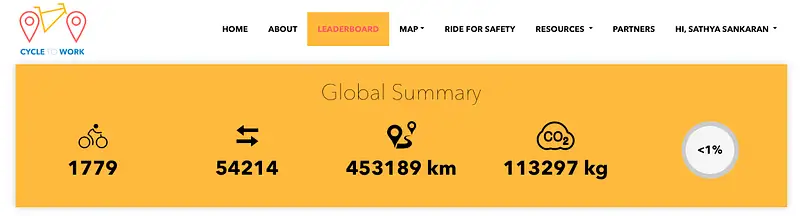
How negotiation can solve market failures and collective action problems, from resolving bar-resident conflicts to addressing traffic congestion through platforms like CycleToWork.
A critical analysis of Bengaluru's Comprehensive Mobility Plan showing inadequate investment in cycling infrastructure - only 4% of required cycle tracks and 2-4% of needed bike sharing hubs.
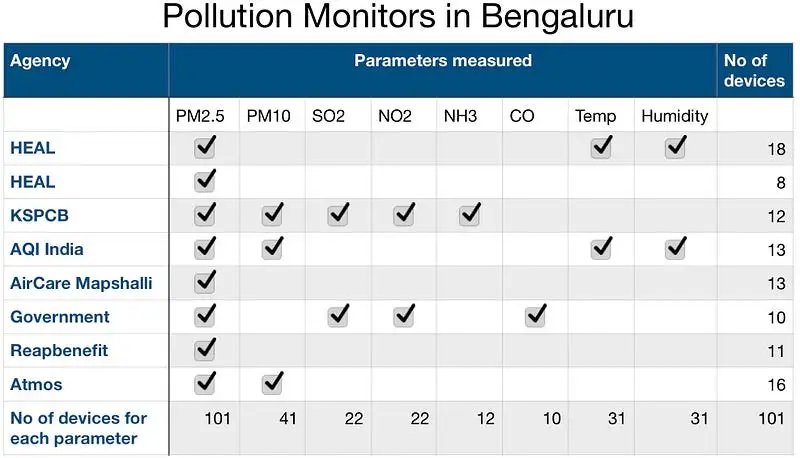
Analysis of air quality monitoring in Bengaluru and the need to move from measurement to action on pollution control.
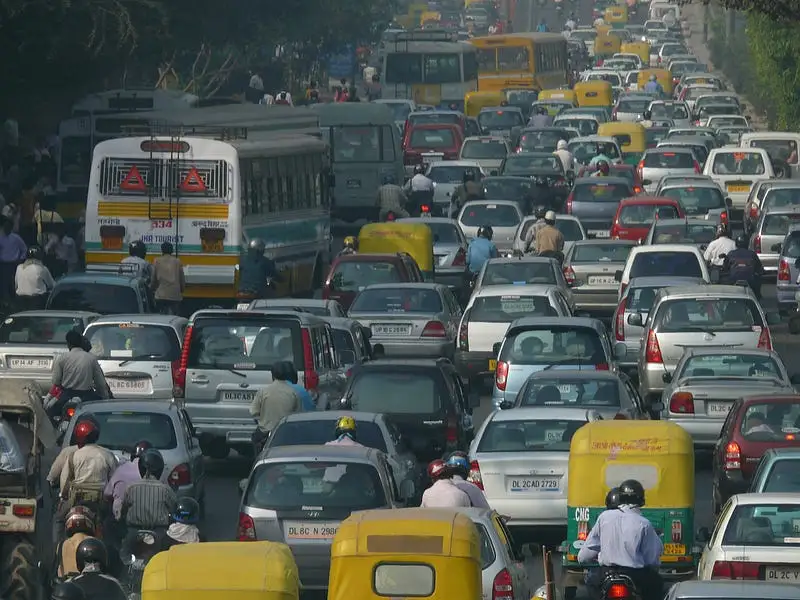
Vehicle additions in Bengaluru grow at 10% annually. Bold measures needed to disincentivize motor vehicles and promote sustainable transport.
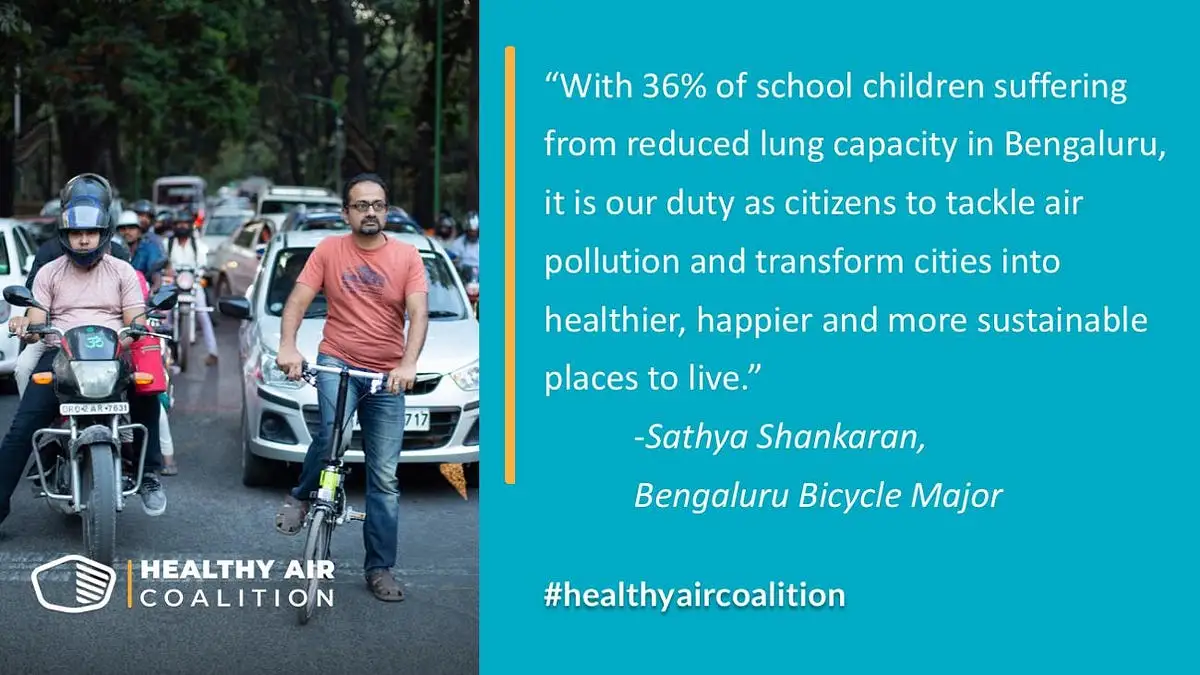
Air pollution is the single largest environmental health risk globally. Analysis of vehicular pollution and its impact on Bengaluru.
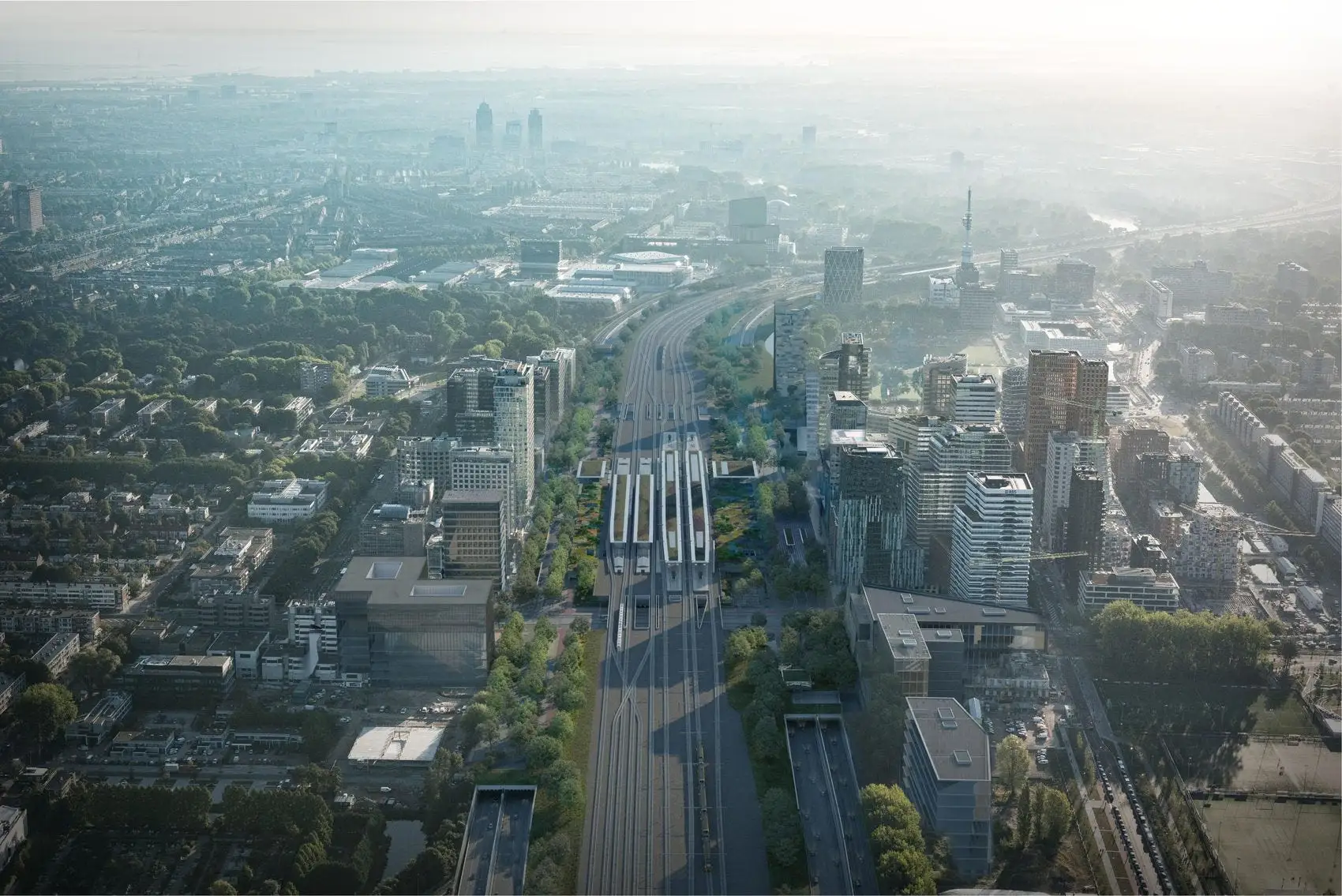
Amsterdam's Zuidas development shows how to integrate transit-oriented development with mobility as a service. Lessons for Bengaluru.
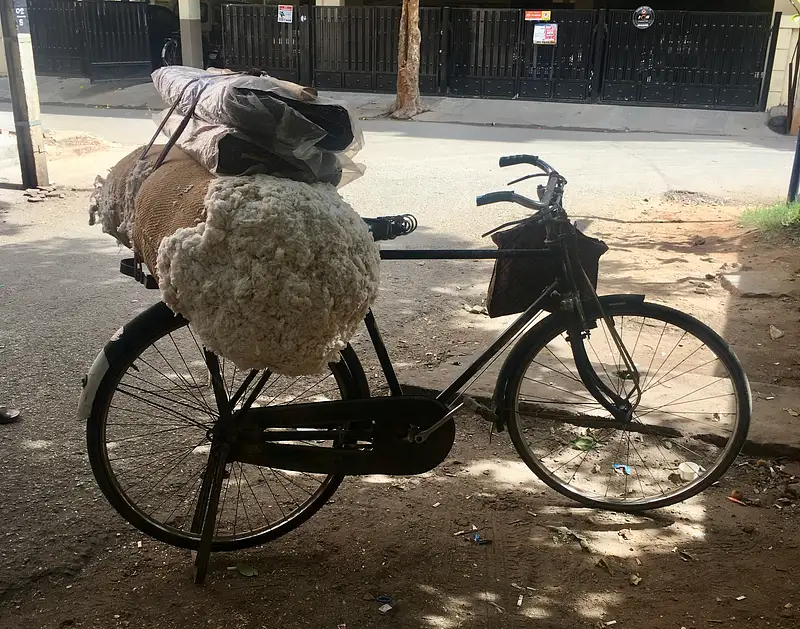
Cargo bikes can handle 42% of urban goods trips under 500kg, offering a sustainable alternative to trucks for last-mile delivery.
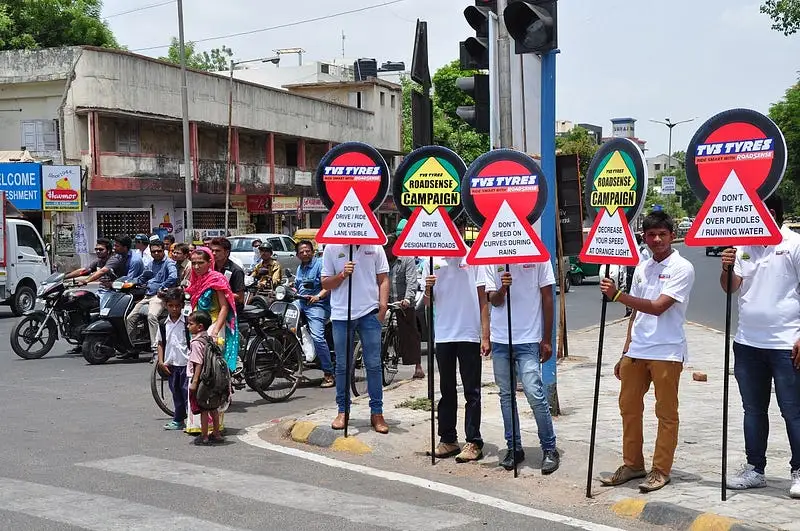
Road safety campaigns focus on helmets and seatbelts for motor vehicle passengers, but ignore pedestrians and cyclists. A MoRTH report showed a 34% increase in pedestrian and cyclist fatalities while car and motorbike deaths decreased by 4%.
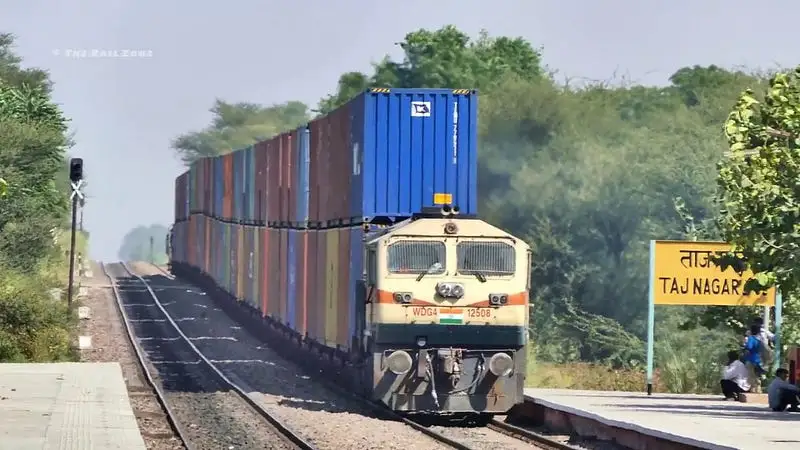
Analysis of Indian Railways' dependency on coal freight revenues and how the shift to renewables could impact passenger fares. Exploring the potential of suburban rail for cargo transport in Bengaluru.
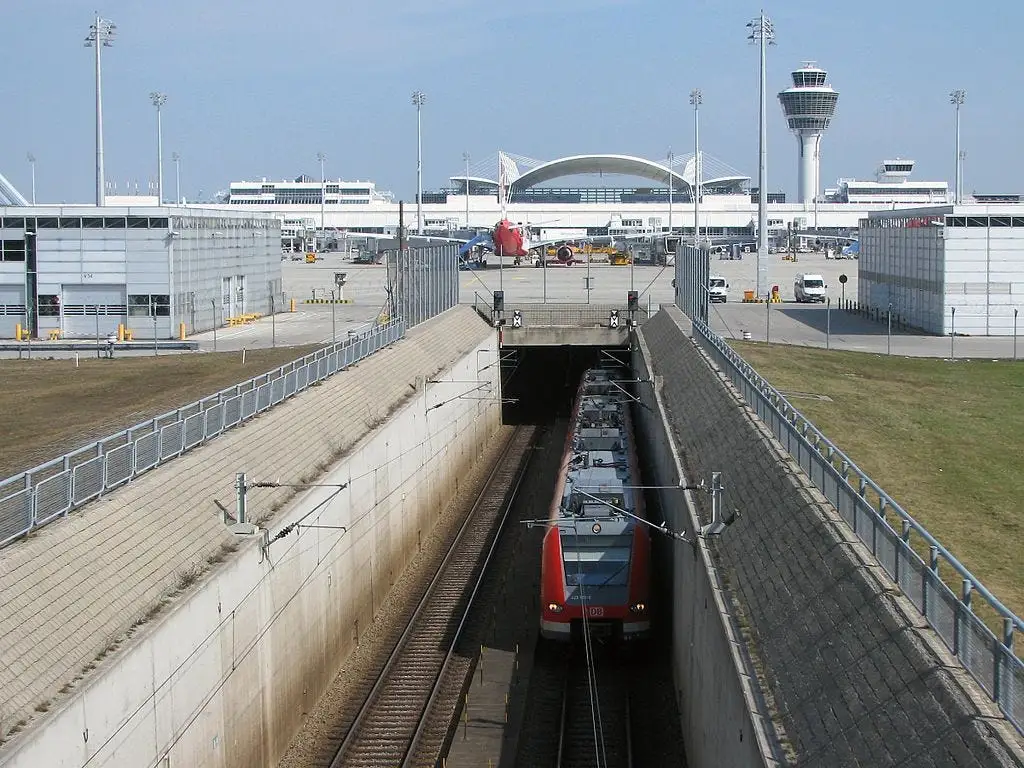
Exploring how Kempegowda International Airport could become a multi-modal transportation hub integrating rail, bus, and air to transform Bengaluru's economy and reduce urban congestion.
Examining how Bengaluru's Revised Masterplan fails to create economically viable neighborhoods by reducing commercial zones by 53% while increasing residential areas, forcing longer commutes and urban decay.