Spoon-fed
India generates 15,342 tonnes of plastic waste daily, with 40% uncollected. As online food delivery serves 169 million customers, can behavioral nudges and choice architecture reduce the 120 billion pieces of plastic cutlery disposed annually?

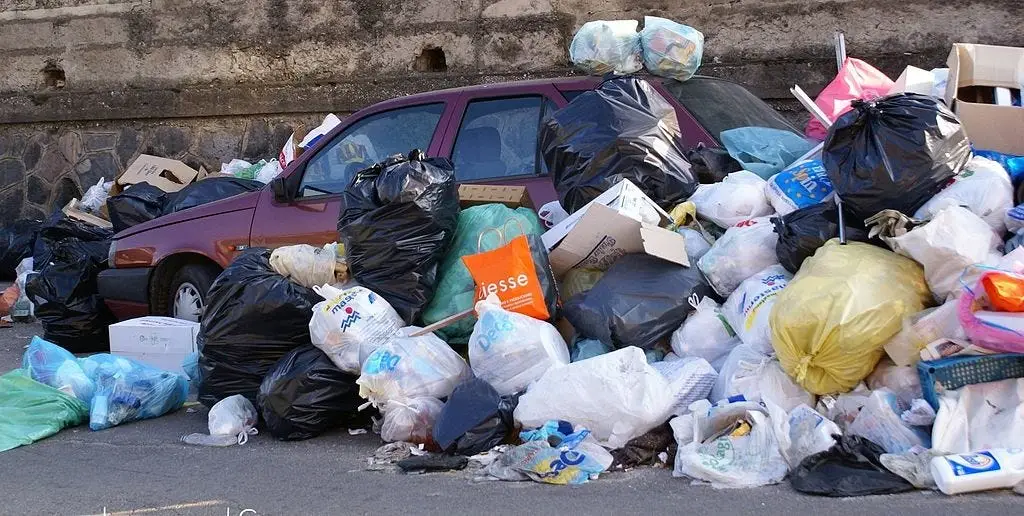
The plastic problem is only getting worse. As per a study conducted by the Central Pollution Control Board (CPCB) in 60 cities of the country, the quantum of plastic waste generation is estimated to be 15,342.6 tonnes per day. 40% of this remains uncollected and winds up as trash.
Online food delivery platforms have transformed how people eat. Just like online e-commerce, they rely heavily on packaging to deliver food to the customers. In 2018, as per statista the food delivery business will serve a total of 169.4 million customers in India. Online ordering using tech platforms constitute 16.7% of the delivery business.
How do we reduce plastics in the food delivery business? Starting small will help. Plastic cutlery contributes to a significant percentage of the plastic waste. Every year 120 billion pieces of plastic cutlery are disposed of in India. Maybe nudging people towards avoiding this will be a good step. At one set of cutlery per delivery, thats a minimum of 464 thousand sets every day. 78 thousand of this is from the online ordering platforms where 80% comes from the top 5 cities.
Choice architecture comes in handy for influencing such behaviour. Holding back the cutlery as a default option and making people actively choose to order cutlery, will nudge them away from availing the option. Reminding people about their environmental impact when the choice is made, will make them think even further. Just like we pay for grocery bags, making cutlery chargeable is another way to nudge people.
For the online delivery platforms, public service messaging and rating restaurants for their sustainable packaging will help consumers make a wise choice while ordering. All this will add up to not only more responsive customers but also more conscientious businesses.