Spoon-fed
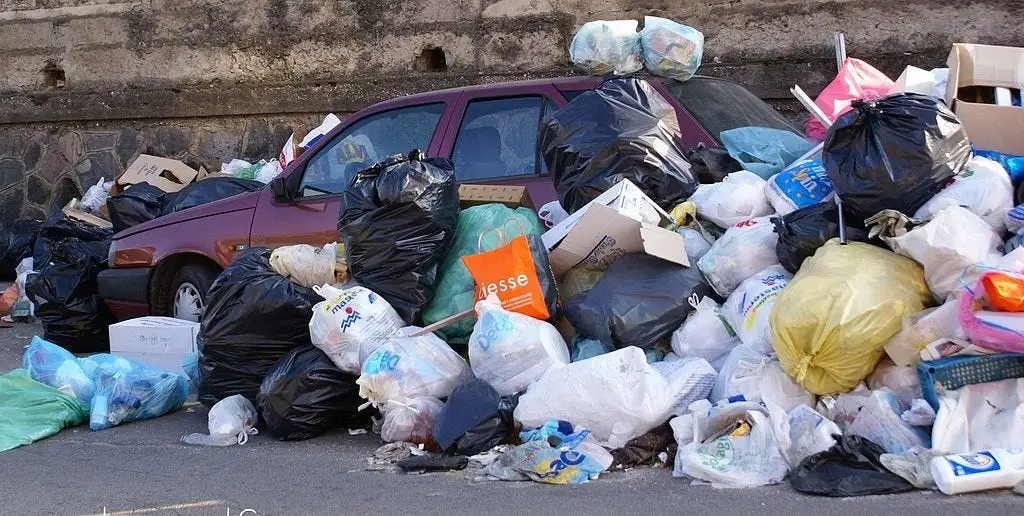
Exploring behavioral nudges and choice architecture to reduce plastic cutlery waste in India's booming online food delivery industry. 120 billion pieces of plastic cutlery are disposed annually.
58 articles on mobility, climate action and urban policy, since 2018.
Exploring behavioral nudges and choice architecture to reduce plastic cutlery waste in India's booming online food delivery industry. 120 billion pieces of plastic cutlery are disposed annually.
Critical analysis of the 15th Finance Commission's Terms of Reference. Examining population data usage, revenue deficit grants, fiscal federalism, and the balance between central control and state autonomy.
Analysis of India's institutional decay from post-independence socialism to modern corruption cycles. Examining power asymmetry, rigid uniformity, and the need to strengthen federal institutions.
Examining how Bengaluru's Revised Masterplan fails to create economically viable neighborhoods by reducing commercial zones by 53% while increasing residential areas, forcing longer commutes and urban decay.
Examining the Cambridge Analytica scandal and the need for stronger personal data protection laws, drawing parallels to John Locke's principles of liberty and individual rights.
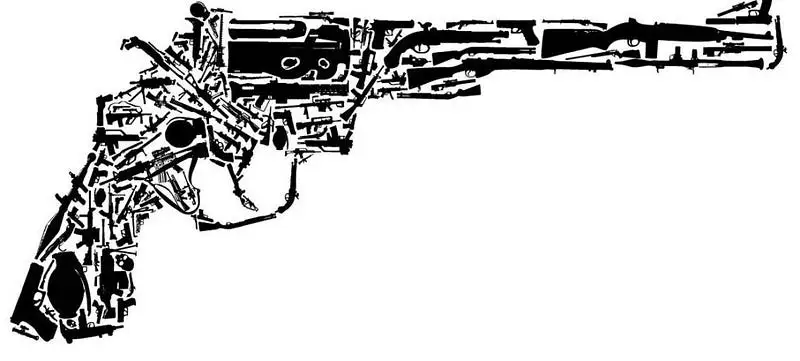
Examining the US Second Amendment and gun control debate through Allison's organizational models, exploring whether armed citizens can truly defend against federal power in modern times.
Analyzing Gillette's market dominance in the razor blade industry with 65% global market share, examining pricing power, environmental impact of 28 billion plastic blades annually, and emerging competition.
Exploring the role of cultural and ideological connections in geopolitical relationships, examining India's stance on power balance in the Maldives and the importance of cultural factors in strategic alliances.
Applying the cultural ideology model to the US gun control debate, revealing how 71% of Americans oppose banning gun ownership despite mass shootings, demonstrating how cultural values prevent policy changes.
Introducing Model 4, the Cultural Ideology model, extending Graham Allison's three models of state action analysis by examining how cultural and ideological factors influence government decisions and international relations.